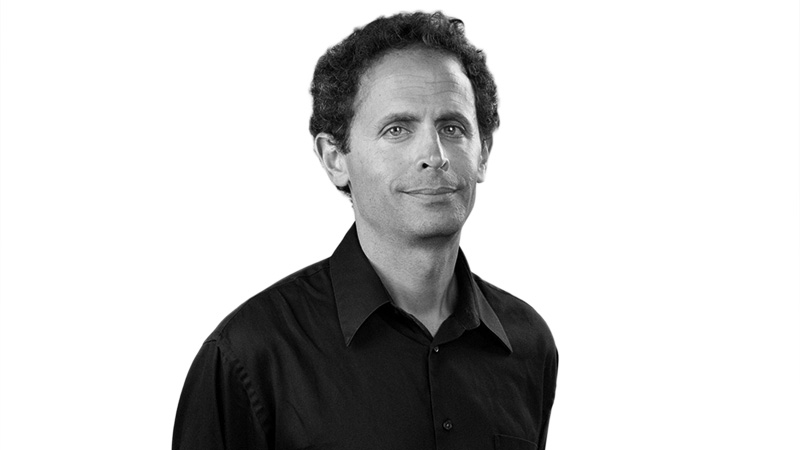
Benjamin Cravatt, the Gilula Chair in Biology and a Professor of Chemistry at Scripps Research, has been named the first recipient of the Chi-Huey Wong Chemical Biology Award. Presented by the Chemical Society of Taiwan, this honor recognizes scientists whose work has significantly advanced the field of chemical biology and benefited global health.
“It is a tremendous honor to receive this award, especially because it recognizes the pioneering contributions of my dear colleague and friend Dr. Chi-Huey Wong,” says Cravatt. “I am grateful to the Chemical Society of Taiwan, as well as to the many members of our group past and present who have pushed the frontiers of chemical biology approaches for target and drug discovery through their ingenuity and dedication.”
The award, which includes $20,000 and a commemorative plaque, is named for chemical biologist Chi-Huey Wong, the Scripps Family Chair Professor at Scripps Research and former President of Taiwan’s Academia Sinica. Wong is known for developing new ways to study sugars in the body, which has helped advance vaccine research and improved scientists’ understanding of how cells communicate.
“Benjamin Cravatt’s contributions to chemical biology reflect the spirit of bold innovation that this award was established to celebrate,” says Wong. “His work shows how rigorous, curiosity-driven research can advance knowledge and lead to real-world impact.”
Among the hallmarks of Cravatt’s career is devising a way to study what proteins actually do inside living cells, not just determine which ones are present. Known as activity-based protein profiling (ABPP), this approach allows researchers to see when proteins are active and how they behave in real biological systems, giving a clearer picture of the molecular processes that drive disease. This work has made it easier to identify promising treatment strategies and has strongly influenced how researchers discover and design new therapies for various conditions.
Using ABPP and related technologies, Cravatt’s lab has revealed novel druggable sites in proteins linked to cancer, neurodegeneration, inflammation and metabolic disorders. These discoveries have led to the development of new drug candidates—several of which have advanced into clinical trials—helping to bridge the gap between basic science and medicine.
Prior honors bestowed on Cravatt include election to the National Academy of Medicine and the National Academy of Sciences, the AACR Award for Achievement in Chemistry in Cancer Research, the ASBMB Merck Award, the Bristol Myers Squibb Award for Enzyme Chemistry, the Cope Scholar Award, the Eli Lilly Prize in Biological Chemistry, the Heinrich Wieland Prize, the Jeremy Knowles Award from the Royal Society of Chemistry, the R35 Outstanding Investigator Award from the National Cancer Institute, the Searle Scholar Award, the Tetrahedron Prize for Creativity in Bioorganic and Medicinal Chemistry, the William H. Nichols Medal from the New York Local Section of the American Chemical Society, and the Wolf Prize in Chemistry.
Cravatt will travel to Taiwan later this year to formally receive the Chi-Huey Wong Chemical Biology Award and deliver a keynote address. He has also been invited by the Chemical Society of Taiwan’s flagship publication, the Journal of the Chinese Chemical Society, to contribute an article reflecting on his scientific journey and research contributions.