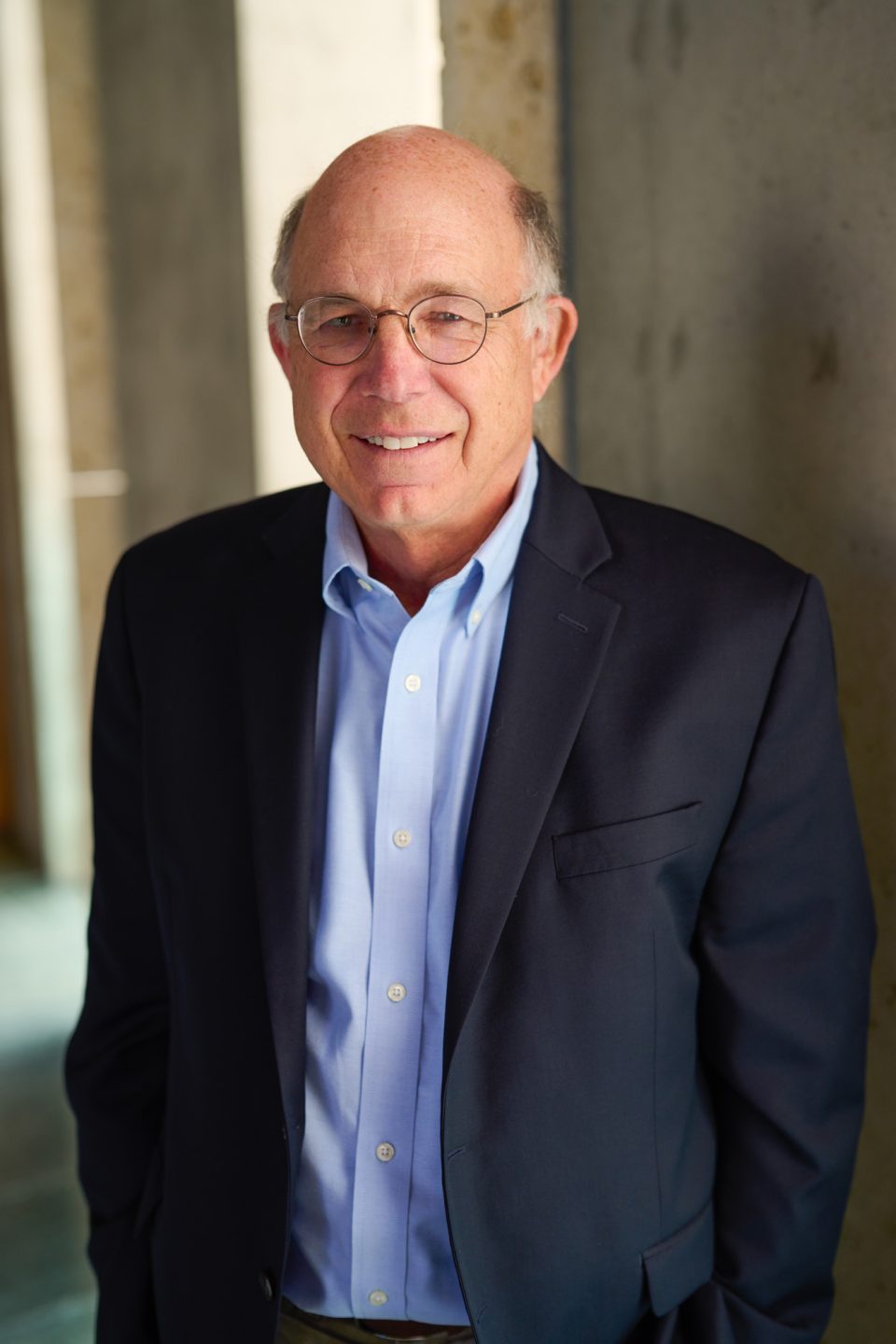
President and CEO, Scripps Research
For most of human history, progress in medicine was constrained by what we did not know. We lacked a clear understanding of how cells function, how organs and tissues communicate, how the body repairs itself and how disease disrupts these processes. Over the past several decades, that picture has changed dramatically. Scientific advances and technological progress have generated an unprecedented depth of insight into biological mechanisms that underlie health, aging and disease.
We now have the opportunity—and challenge—of ensuring that this rapid scientific progress translates into medical advances that meaningfully improve patients’ lives. At Scripps Research, we believe the future of medicine depends on strengthening that connection by linking foundational science directly to the capability to develop new therapies. That conviction is why we have built a model that brings discovery and drug development together under one roof.
The feature article in this issue, which explores our regenerative medicines program, offers a compelling example of what is possible when those capabilities are tightly integrated. By uncovering the biological pathways that enable regeneration and applying those insights through world-class drug discovery, our scientists are advancing therapies designed to repair the heart, lungs, digestive tract, eyes and other tissues. Several of these programs are already in human trials, reflecting years of close collaboration between Scripps Research faculty labs and their colleagues in our drug discovery division, the Calibr-Skaggs Institute for Innovative Medicines.
These efforts and others offer tremendous promise for addressing the aging of the world’s population, a profound and growing challenge that touches nearly every aspect of medicine and society. In the United States alone, over one in five Americans will be over the age of 65 by 2040, and the population of people over 85 will double by 2060. The vast majority of older adults live with one or more chronic conditions—from heart and lung diseases to diabetes, arthritis and vision loss. The cumulative burden of these conditions places enormous strain on individuals, families and healthcare systems alike. Approaches that can preserve function, delay disease and extend healthy years of life have the potential not only to improve quality of life for millions of people, but also to substantially reduce long-term healthcare costs.
They also illustrate another critical inflection in human health. The historic goal of drug discovery has been to slow disease or, at best, halt its progression. Today, we can begin to ask a different question: Can we reverse the damage disease has already caused? That possibility represents a whole new paradigm in medicine and offers real grounds for optimism—but it also demands new thinking and new models to ensure that scientific progress translates into tangible benefits for patients.

Pete Schultz, PhD
President and CEO, Scripps Research