Meet our graduate students
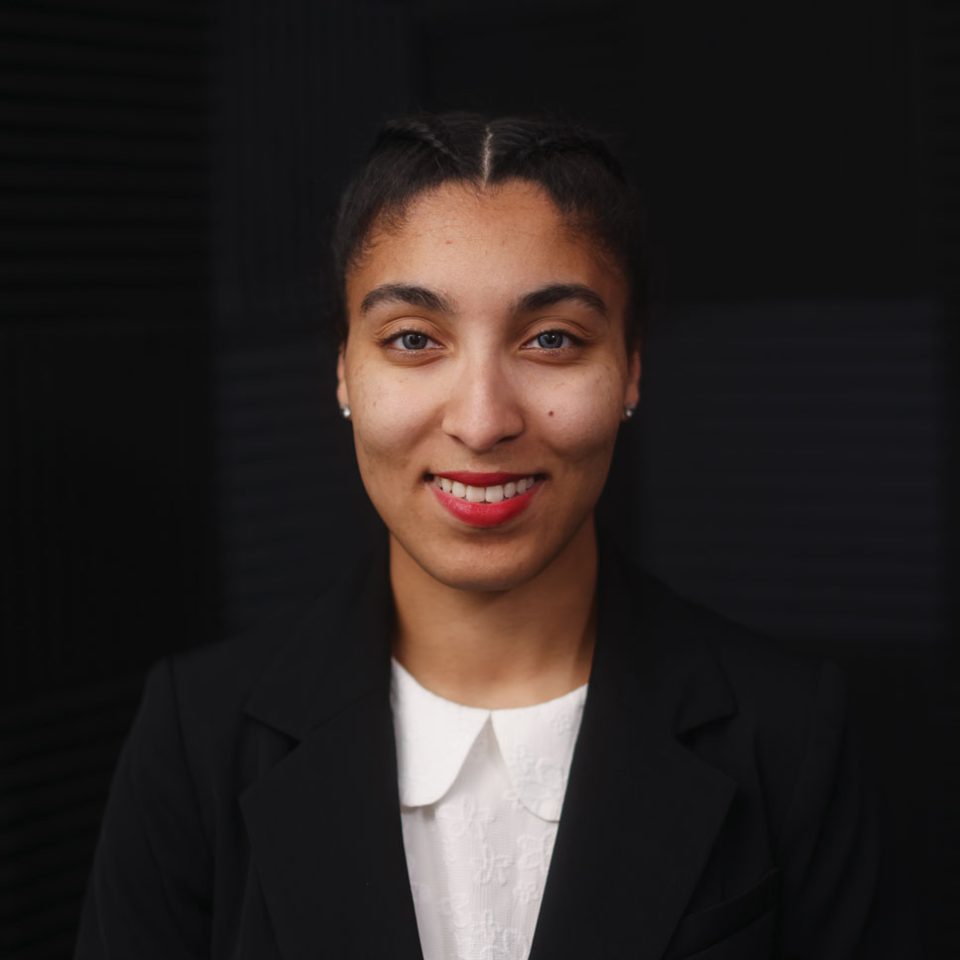
Ines Forrest
- Advisor: Christopher Parker
- Research focus: Developing a chemical proteomic strategy to broadly and agnostically discover degradable proteins in human cells
- Undergraduate: European School of Chemistry, Polymers and Materials (ECPM), Strasbourg, France
- Awards: 2024 CAS Future Leader, 2024 ACS Graduate Student and Postdoctoral Recognition for Leadership in DEIR, 2022 Ford Foundation Fellowship
Ines Forrest didn’t have a clear career path growing up. As part of a military family, her constant travels sparked a wide array of interests, including science. But it was the loss of her aunt to cancer in middle school that inspired her to dedicate her life to scientific research.
“I promised her that I would pursue science, driven by the desire to prevent others from enduring what she went through. That was really when my commitment to scientific research took a deeper meaning, becoming a promise that I not only made to her, but also to myself,” Forrest says.
That dedication guided Forrest toward studies in chemistry, chemical engineering, drug discovery and disease biology. Her research in the Parker lab focuses on targeted protein degradation, which involves using specialized small molecules that leverage the body’s natural degradation machinery to eliminate proteins that can be responsible for diseases. She developed an innovative chemical proteomic strategy to identify degradable proteins across the entire proteome in human cells, without requiring pre-characterized ligands. She envisions that this approach will not only aid in the development of small molecule probes for previously undrugged proteins but also establish a roadmap for expanding the boundaries of the degradable proteome.
Forrest hopes her work will inspire future drug discovery and therapeutic strategies against disease-causing proteins. She credits the Skaggs Graduate School for supporting her growth across multiple research fields, emphasizing how the unique, highly collaborative and interdisciplinary environment enabled her to pursue curiosity-driven research beyond chemistry.
Her academic journey has led to her recognition as a 2024 CAS Future Leader, a Ford Foundation fellow, and receiving the American Chemical Society (ACS) Graduate Student and Postdoctoral Scholar Recognition for Leadership in Diversity, Equity, Inclusion, and Respect (DEIR). While each of these honors reflects complementary aspects of her career—scientific discovery and fostering inclusivity in science—the ACS award took on a deeper meaning for Forrest. She shares that when starting her career, she lacked a role model who looked like her, so she hopes her ability to mentor others will help pave the way for future generations of scientists from marginalized groups to pursue their ambitions.
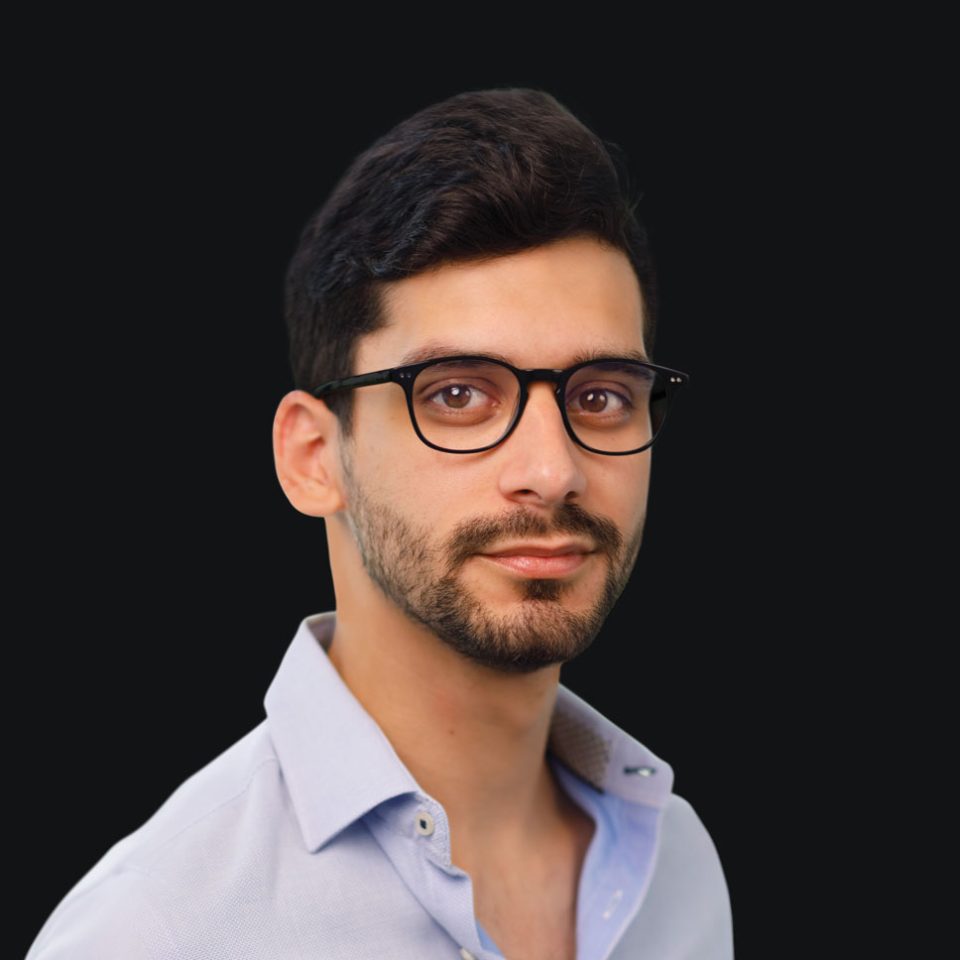
Jose Colom-Lapetina
- Advisor: Courtney Miller, Herbert Wertheim UF Scripps Institute for Biomedical Innovation & Technology
- Research focus: How stress can alter fear memory processing in the brain to influence risk for disease states
- Undergraduate: Northeastern University
- Awards: 2023 D-SPAN (F99/K00) Scholar, David C. Fairchild Endowed Fellowship in the Skaggs Graduate School of Chemical and Biological Sciences (2020–2022)
The human brain is an enigma, one that is always beckoning further exploration. This resonated with Jose Colom-Lapetina at a young age. He happened upon an edition of “Atlas of the Body” from TIME Magazine at his grandparents’ home, sparking his curiosity into the human experience, which would later focus specifically on how fear can profoundly shape behavior.
One aspect that he is particularly drawn to is the lack of data for certain groups of people. Not everybody processes fear and trauma the same, and preclinical models don’t mirror known conditions that certain demographics experience with trauma and stress-related disorders—for example, women are twice as likely to develop PTSD following trauma but only make up half of preclinical studies. Ultimately, he hopes that his focus on fear, learning and memory—as well as this topic in vulnerable groups often underrepresented in studies—helps to drive eventual therapeutic development.
“I’ve made it a central tenet of my research to study sex differences and why these different vulnerabilities exist across individuals,” says Colom-Lapetina. “Because if you’re missing half the population in your studies, then any treatments you develop are only going to reflect that.”
This perspective has taken on a new meaning during Colom-Lapetina’s time as president of the Graduate Student Council in Florida, where he gained insights into the unique struggles that students can go through and how to collectively advocate for them. The experience has shaped his views on collaborative work and self-advocacy, critical for not only success in school and science, but most workplaces.
A great deal of Colom-Lapetina’s graduate experience has been enabled by philanthropic support. As a recipient of the David C. Fairchild Endowed Fellowship in the Skaggs Graduate School of Chemical and Biological Sciences, he has been able to focus on his research and have greater control of his career trajectory.
“Private philanthropy has been huge for me because it gave me the freedom to join whichever lab I wanted with the promise that I was funded for three years,” Colom-Lapetina says. “It really gave me a lot of peace of mind that I could just focus on science without having to worry about where my next paycheck was coming from.”
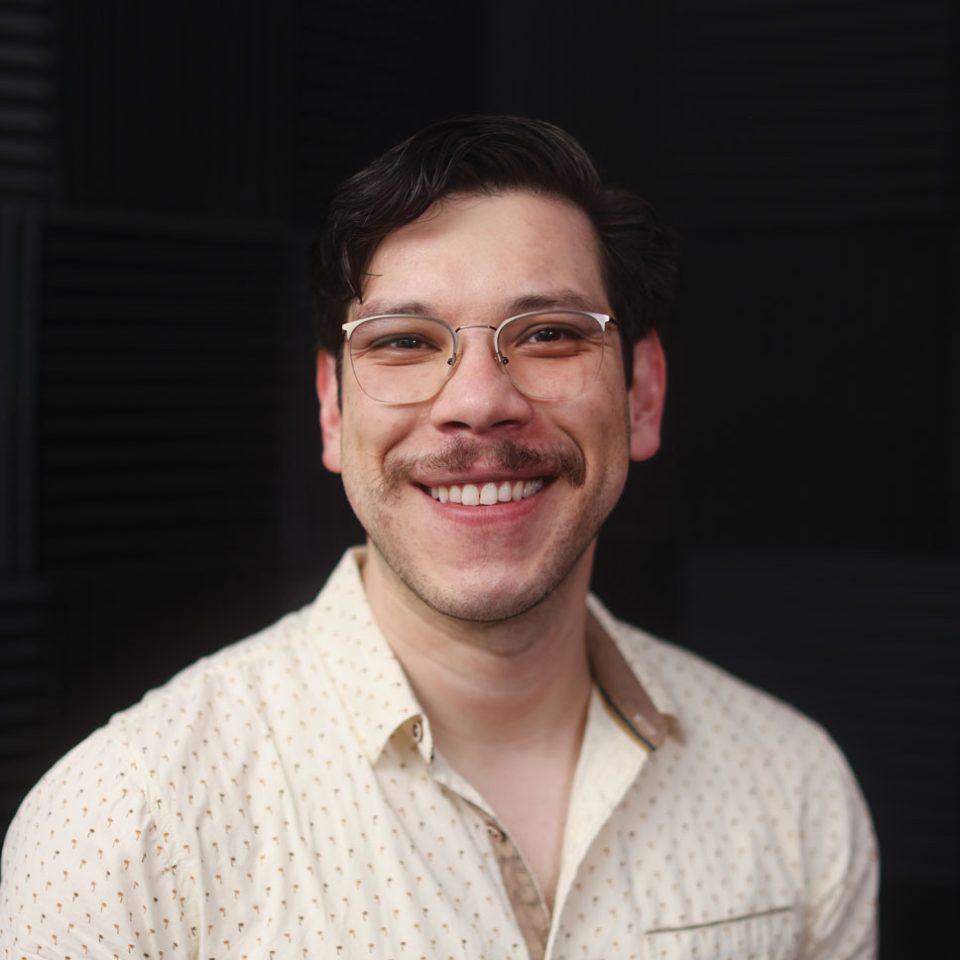
Adrian Guerrero
- Advisors: Benjamin Cravatt and Jeffery Kelly
- Research focus: New treatments that help a lung-protective protein fold correctly inside cells
- Undergraduate: The University of Texas Rio Grande Valley, Pre-Medical Chemistry
- Awards: David C. Fairchild Endowed Fellowship in the Skaggs Graduate School of Chemical and Biological Sciences (2019–2022), NIH (NIGMS) F31 NRSA Predoctoral Fellowship (2022–2024), 2022 Turner B. and Lesly Shelton for the Graduate Program—Award for Excellence in Chemistry Graduate Studies
Becoming a doctor seemed like a clear goal for Adrian Guerrero—until research added a new dimension to that path. Raised in South Texas by parents who work in healthcare, his father in diagnostic medicine and his mother in esthetics, Guerrero was struck by the impact that physicians made in the lives of their patients and the surrounding community.
“I knew from a pretty young age that I wanted to go into medicine,” he says. “What I didn’t realize was how much chemistry would open up a whole other world for me.”
As an undergraduate student, Guerrero studied pre-medical chemistry at The University of Texas–Pan American (now known as The University of Texas Rio Grande Valley). The school didn’t have a graduate program at the time, which unexpectedly worked in his favor.
“There weren’t many students competing for lab spots, which gave me the unusual opportunity to get involved with chemistry research during my freshman and sophomore years,” Guerrero recalls. “It’s when I became interested in the drug development side of medicine.”
That growing interest led Guerrero to pursue an MD-PhD through UC San Diego’s Medical Scientist Training Program. After completing his first two years of medical school, he began doctoral studies at Scripps Research under the guidance of professors Benjamin Cravatt and Jeffery Kelly.
Guerrero is focusing on a genetic condition called alpha-1 antitrypsin (AAT) deficiency, caused by a misfolding-prone protein. AAT’s primary role is to protect the lungs from inflammation and tissue damage. But when AAT doesn’t fold into its proper shape, it clumps in the liver—where this buildup can cause damage— and becomes unavailable to shield the lungs.
The goal is to develop a small molecule that can stabilize AAT by correcting the misfolding without disrupting its normal function. Guerrero’s approach draws from both of his mentors’ areas of expertise: Cravatt’s specialization in chemical proteomics and using mass spectrometry to study small molecule-protein interactions, and Kelly’s background in protein folding and therapeutic development.
“Having both perspectives provides a more comprehensive view when I’m conducting research,” Guerrero says.
After finishing his doctoral studies, Guerrero will return to medical school to complete his clinical training and pursue a residency, possibly in toxicology. Mentorship and collaboration have been cornerstones of Guerrero’s graduate experience, and he offers that same support to newer students in his labs.
“It’s a two-way street,” he points out. “They learn from you, but they also ask smart questions that make you reexamine your own methods. That process makes all of us better scientists.”
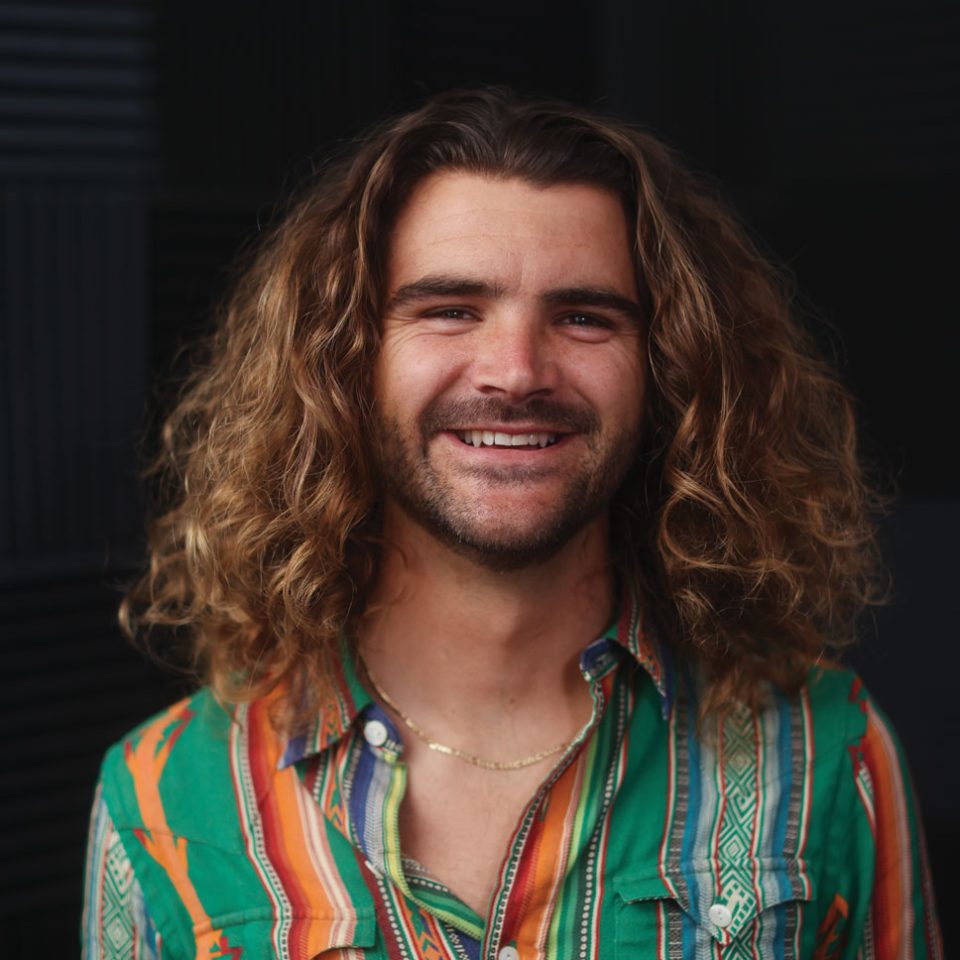
Justice Fleischmann
- Advisor: Travis Young, The Calibr-Skaggs Institute for Innovative Medicines
- Research focus: Investigations into a type of cancer immunotherapy known as a T-cell engager
- Undergraduate: Boston College, Biology
- Awards: 2022–2025 ARCS Scholar
While in college, Justice Fleischmann found out his best friend’s younger brother had just been diagnosed with osteosarcoma, a rare form of bone cancer.
“I felt so helpless. I wanted to show support in any way I could,” Fleischmann recalls. “I raised money out of solidarity, but I knew as soon as I graduated, I wanted to work in cancer research.” As part of the fundraiser, he shaved his head in the middle of the campus quad—a public act of support and turning point in Fleischmann’s life.
Today, Fleischmann is a graduate student at the Calibr-Skaggs Institute for Innovative Medicines, where he is investigating a new class of immunotherapies known as T-cell engagers. He explains them using an illustrative analogy: “It’s like when you really want to meet someone, but you’re not sure how to start the conversation. T-cell engagers are the friends that make the introduction—or in this case, they introduce cancer-fighting T cells to a tumor cell.”
Under the mentorship of VP of Biologics Travis Young, he is directing these immune cells to better target and eliminate tumors. Many cancers evolve ways to evade detection by the immune system, but T-cell engagers are designed to overcome these defenses and rally T cells against tumors. To date, nine T-cell engagers have been approved by the U.S. Food and Drug Administration (FDA), most of them for blood cancers like lymphoma or leukemia. Fleischmann is part of a growing effort to extend these promising therapies for solid tumors, where treatment remains more challenging.
Before coming to Calibr-Skaggs, Fleischmann gained wide-ranging experience in and outside of science, including roles at a contract research organization, farming in France and teaching science at a middle school in Boston. He emphasizes the people who have helped guide his way, particularly during moments of uncertainty.
“Science can be a very isolating endeavor. When I think about how I’ve come this far, it’s because of the people who have helped me,” he says. “I also acknowledge the role my privilege has played in getting me to where I am today. I wouldn’t be here without my unique circumstances, which none of us get to choose—including my family, upbringing, race, gender, and the opportunities that came alongside all of them. I feel deeply fortunate.”
Looking ahead, Fleischmann hopes to make cancer therapies not just more effective but also more accessible.
“These therapeutics are only available to a limited number of people right now,” he says. “I would love to be part of the effort to improve their affordability—and make sure the people who need them most can receive them.”
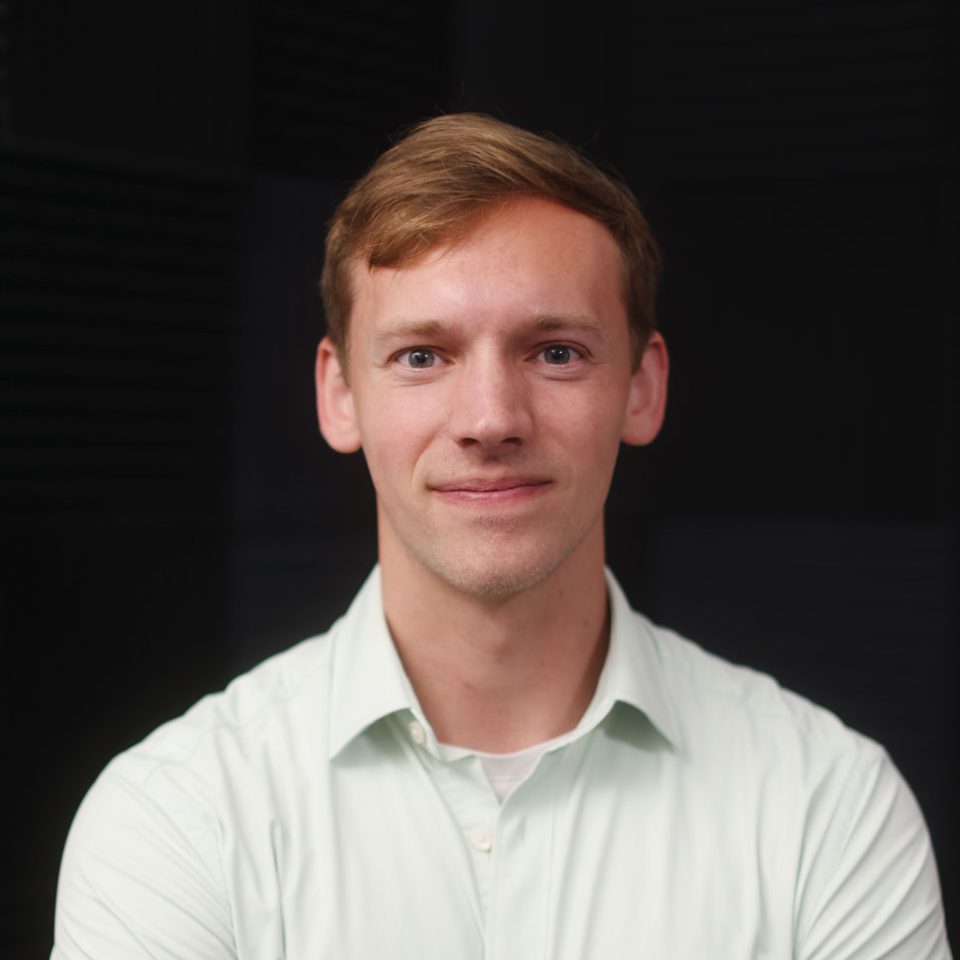
Ian Newman
- Advisors: Michael Petrascheck and Andrew Su
- Research focus: The underpinnings of why we age, and what goes awry in related diseases
- Undergraduate: University of Miami, Biochemistry and Molecular Biology
- Awards: 2024 Frank J. Dixon Graduate Fellow, Mark Pearson Endowed Fellowship in the Skaggs Graduate School of Chemical and Biological Sciences (2021–2024)
When you look across some of the world’s deadliest conditions—Alzheimer’s, cancer, cardiovascular disease—a single factor stands out as the greatest risk: age. Ian Newman is determined to uncover why aging plays such a powerful role in human health.
It’s a daunting question, which is why Newman has enlisted the expertise of both Michael Petrascheck and Andrew Su as his advisors. He’s blending the “wet” experimental work of the Petrascheck lab—focused on the molecular changes that accompany aging—with the “dry” computational muscle of the Su lab, known for its data-driven approaches to discovery.
Newman uses tools that can extend the lifespan of model organisms to better understand what’s going wrong at a biological level. One example is caloric restriction: Eating less has been shown to help animals live longer. But even though scientists know it works, they still don’t fully understand why. Newman is trying to uncover which genes, tissues and interactions make the largest difference.
His fascination with aging began during his undergraduate studies at the University of Miami, where he conducted research in the lab of Claes Wahlestedt. There, he explored Alzheimer’s disease from multiple angles, investigating how different factors—such as amyloid beta plaques, tau protein and neuroinflammation—interact and contribute to neurodegeneration.
“That’s when I started to think more comprehensively about these diseases,” Newman says. “It may not just be a single gene increasing or decreasing, but multiple components working together.”
Newman’s decision to pursue graduate studies at Scripps Research was also fueled by San Diego’s vibrant life sciences ecosystem. Early in his time at the institute, he began thinking beyond the bench, and how his knowledge could also be applied to industry. To help other students develop similar skills and insights, he co-founded the Biotechnology Club, which offers opportunities to engage with diverse career paths in the life sciences.
Newman is also passionate about making science more inclusive. He’s involved with an organization called SPAM, which helps students from underrepresented backgrounds apply to competitive summer research programs. In addition, he served as a co-managing director for the San Diego chapter of Nucleate, a group that helps students and young scientists turn their research ideas into real-world biotech companies.
When asked how he balances his intense research schedule with his many extracurricular commitments, Newman laughs. “It definitely eats up my time, but the community involvement helps enhance my research. It’s similar to having two mentors—it offers me a different perspective.”
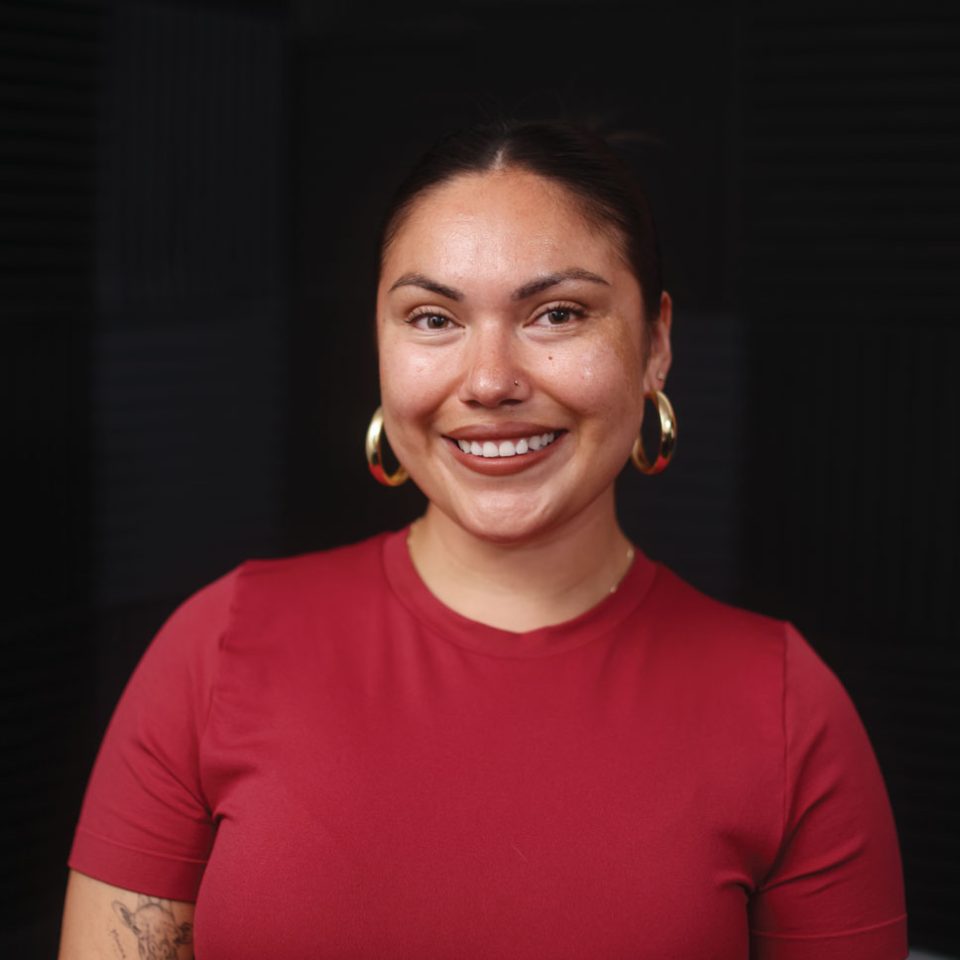
Alexandra Salazar
- Advisor: Gabriel Lander
- Research focus: Using cryo-EM to quickly visualize protein structures inside mitochondria to better understand diseases
- Undergraduate: San José State University, Molecular Biology
- Awards: National Science Foundation (NSF) Graduate Research Fellowship (GRFP) (2023–Present)
Growing up in the small, rural town of Littlerock, California, Alexandra Salazar didn’t picture herself becoming a scientist.
“During my time in high school, many students in Littlerock were encouraged to either join the military or go straight to work,” she says. “I thought that was my path, too.”
But a high school teacher encouraged Salazar to consider college and pursue science. Salazar’s interest in conducting research took root at San José State University, where she majored in molecular biology and minored in chemistry—with the intent of becoming a physician. A chance opportunity in a neurophysiology lab turned into a four-year deep dive into hands-on research: dissecting tissue, recording nerve activity, and using advanced microscopes.
“I thought it was the coolest thing ever,” Salazar says. “That’s when I knew I wanted to become a scientist.”
The position was paid by the NIH, allowing Salazar to leave three part-time jobs and focus more fully on her studies and lab work. Her contributions during that time eventually led to a coauthored study in Science, spearheaded by Scripps Research Professor Ardem Patapoutian. Later, as a first-year PhD student at Scripps Research, Salazar learned that Patapoutian won a Nobel Prize in Physiology or Medicine for a different research project conducted in collaboration with her undergraduate lab—an exciting realization.
Although those early experiences led Salazar to plan on studying neuroscience in graduate school, the flexibility of the program at Scripps Research ultimately drew her to the institute and led her to explore a completely different direction—using a cutting-edge technology called cryo-electron microscopy (cryo-EM).
“I emailed Professor Gabriel Lander and asked if I could rotate into his lab to gain experience in cryo-EM because I had always loved microscopy,” she recalls. “I think he could sense my excitement because he immediately emailed back and asked if I was on campus to meet.”
Now, Salazar is developing a new approach to study protein structures inside mitochondria—tiny organelles in our cells that produce energy—using the powerful imaging of cryo-EM. By examining proteins in a near-native environment, Salazar is uncovering details that more traditional methods might miss. Her goal is to develop a faster, more direct way to observe proteins in cells, without the time-consuming purification steps.
“Understanding protein structures and how proteins behave inside cells helps us ask better questions about how they actually work in the body, and what goes wrong in diseases,” Salazar explains.
Because mentorship has played a key role in her own journey, Salazar is committed to paying it forward. She currently mentors an undergraduate intern from UC San Diego, echoing the encouragement she once received.
“I tell her what I still remind myself,” she says. “It’s okay not to know everything and to ask questions—that’s how you learn.”